






Technology
-
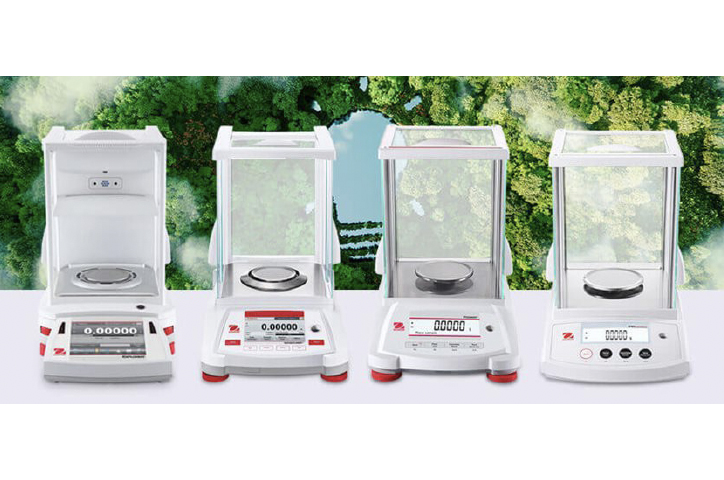
A STEP FORWARD IN ENERGY-SAVING DESIGN
Read more...OHAUS implements energy-saving features in its laboratory weighing products, contributing to significant carbon emission reductions and the pursuit of net zero carbon emissions by 2050.

Articles
-

Risk and Control of Nitrosamine Contaminants in Pharmaceutical and Food Products
This article details the global public health and regulatory challenge posed by nitrosamines, which are classified as probable human carcinogens by international health authorities. Once considered isolated industrial issues, these toxic compounds represent a cross-sector threat spanning environmental systems, water, cosmetics, food, and pharmaceuticals.
-
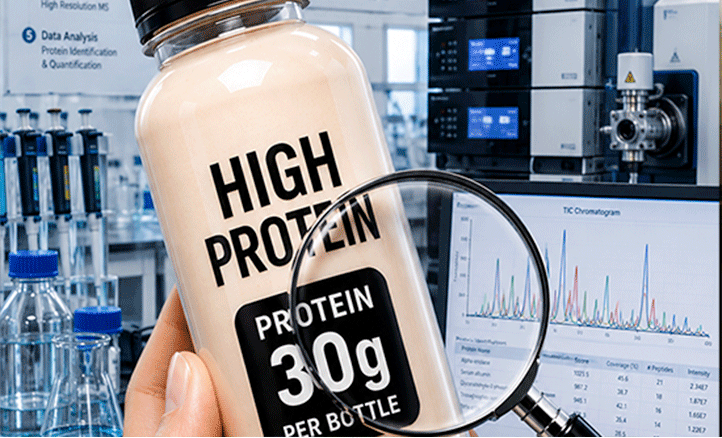
Food Protein:Classic False Claim and Analysis
Effective fat loss and sustainable weight management require a structured calorie deficit coupled with adequate protein intake to successfully preserve lean muscle mass and prolong satiety. However, the booming market for these health products has been undermined by "false protein claims," arising either from unintentional manufacturing calculation errors or deliberate fraud where non-protein nitrogen is added to manipulate laboratory tests. To safeguard consumer trust and ensure food safety, standard regulatory frameworks now enforce rigorous analytical guidelines, shifting from a generic conversion factor to food-specific Jones factors and direct amino acid chromatography.
-

ISO 23675:2024
SPF Testing in the Global Sunscreen MarketIf you are someone who walks into a convenience store looking for a sunscreen that suits your skin, you can usually decide immediately whether you like the product’s texture—whether you prefer something lightweight and fast-absorbing, silky and comfortable on the skin, or perhaps a formula that gives a slight tone-up effect for a brighter complexion.
-

Decoding Sunscreen Efficacy Testing
Recently, there is confusion in online social media regarding effectiveness and reliability of sunscreen products. The values stated on the labels and those measured by consumer protection agencies or influencers have shown varying results—some discrepancies are minor, while others are shockingly large. This has led to concerns and questions from consumers in several countries, including Thailand, about how well the products they choose can protect their skin. Can these products provide the level of protection indicated on the labels?
-

Evaluating Cleaning and Sanitation Effectiveness in the Food Industry Using ATP-Based Method
In the food manufacturing industry, maintaining high levels of hygiene and sanitation is crucial to ensuring food safety and protecting consumers from contamination and foodborne illnesses. To meet these goals, food manufacturing facilities, regardless of their size or the products they produce, must comply with strict food safety and quality regulations. Local and regional laws, such as those in Thailand, mandate the control of biological and chemical hazards during production. For instance, surfaces in food production areas must be cleaned and sanitized according to the standards set by the Thai FDA and Good HygienePractices (GHP) to prevent contamination.
-
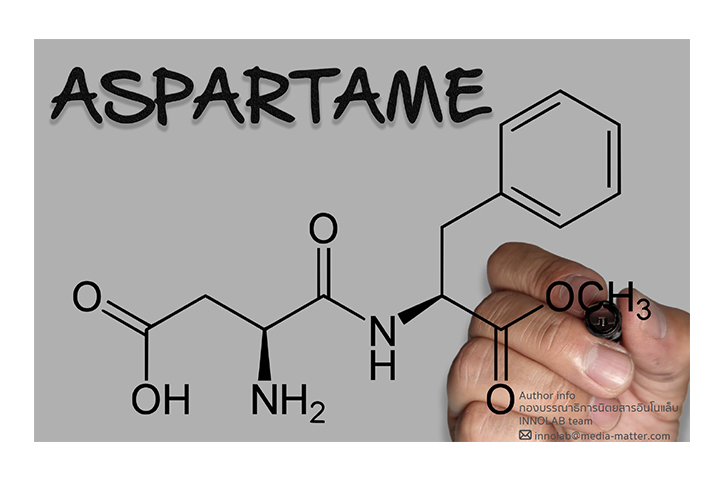
Aspartame - as (Possibly) Carcinogenic to Humans (?)
Assessments of the health impacts of the non-sugar sweetener (NSS), aspartame, are released by the International Agency for Research on Cancer (IARC) and the World Health Organization (WHO) and the Food and Agriculture Organization (FAO) Joint Expert Committee on Food Additives (JECFA). Citing “limited evidence” for carcinogenicity in humans, IARC classified aspartame as possibly carcinogenic to humans (IARC Group 2B) and JECFA reaffirmed the acceptable daily intake (ADI) of 40 mg/kg body weight.


Industry Movement
-
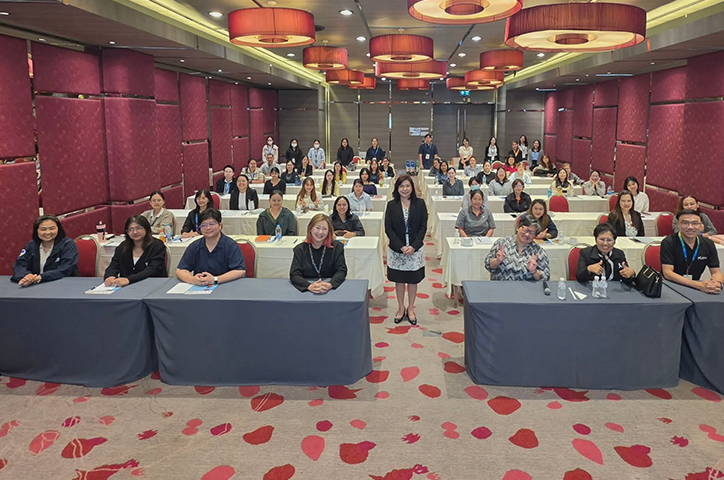
ProPak Asia 2026 - Lab & Test Series
Successfully ConcludesThe Lab & Test Series at ProPak Asia 2026 successfully brought together industry professionals, researchers, laboratory specialists, and packaging experts for three days of knowledge sharing, technical discussions, and hands-on learning.
Held from 11–13 June 2026 at Sapphire 108, IMPACT Forum, Muang Thong Thani, the seminar and training sessions provided valuable insights into emerging technologies, food contact materials (FCMs), microbiological testing, international standards, and sustainable packaging solutions together with the practical solution by global technology company, bioMérieux and Sojitz (Thailand).
Throughout the event, participants explored the latest analytical technologies, laboratory best practices, regulatory updates, and innovative packaging solutions that support quality, safety, and sustainability across the food and packaging industries.
We would like to thank all speakers, partners, exhibitors, and attendees for contributing to the success of this year's Lab & Test Series. Your active participation and engagement helped create a valuable platform for learning, networking, and advancing industry excellence.
We look forward to welcoming you again at future editions of ProPak Asia and the Lab & Test Series.
Photo gallery -
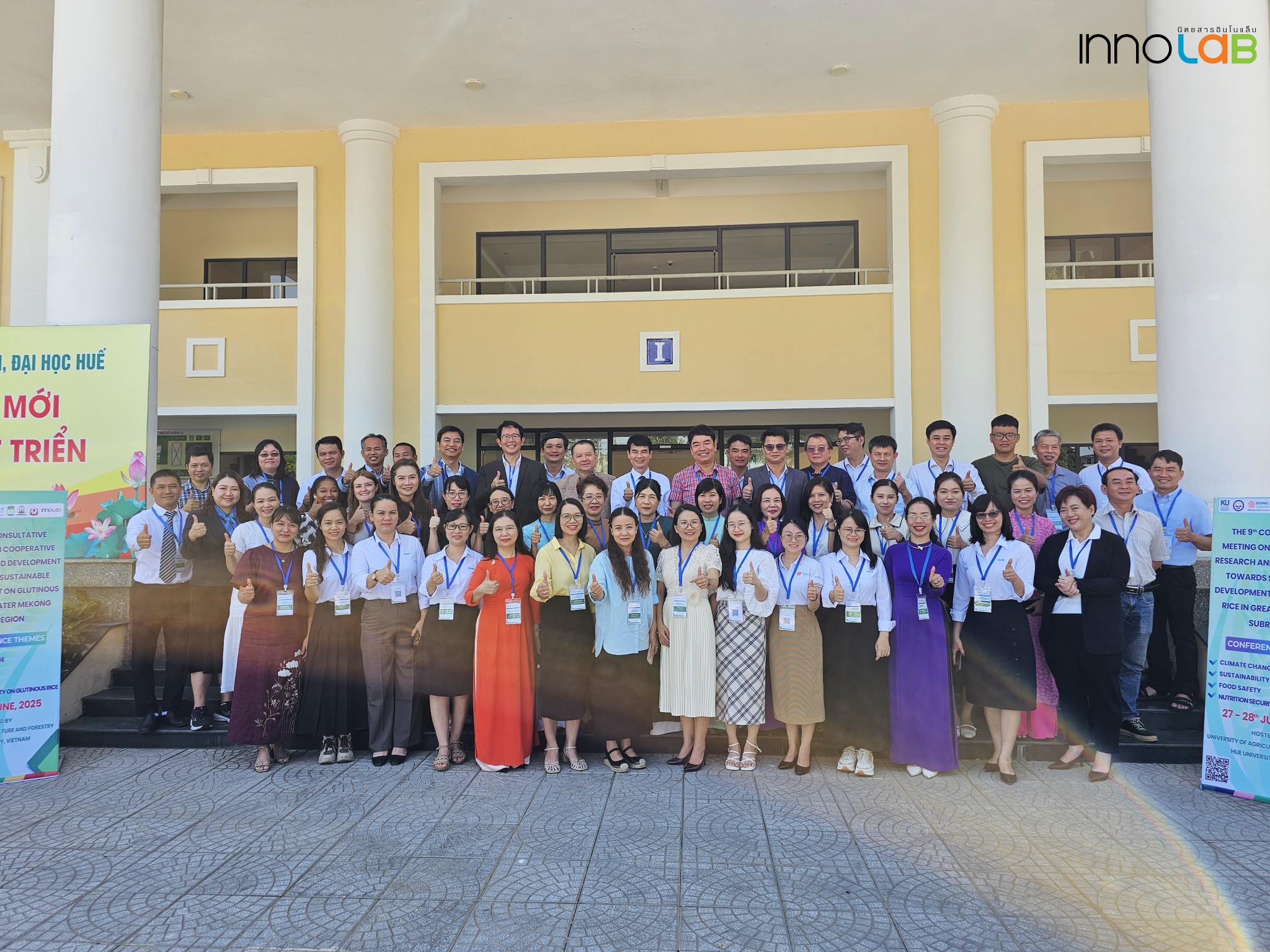
Catch up the International Conference
The 9th Consultative Meeting on Cooperative Research and Development towards Sustainable Development on Glutinous Rice in Greater Mekong Subregion (GMS)
(Focusing on Climate Change, Sustainability, Food Safety and Nutrition Security on Glutinous Rice) on 27th-28th June 2025 at University of Agriculture and Forestry, Hue University (HUAF), Vietnam. The participants are from University of Agriculture and Forestry, Hue University (HUAF), University of Economics, Hue University (HUE), Dong A University (UDA), Kasetsart University (KU), Mahasarakham University (MSU), Savannakhet University (SKU). The event is supported by KU-FIRST (Kasetsart University Food Innovation Research and Services in Thailand), and INNOLAB magazine.

2026 Events
-

-

-

-

-

-
-

Cold Chain Exhibition
International exhibition and conference on refrigeration and temperature Controlled logistics.
-

-
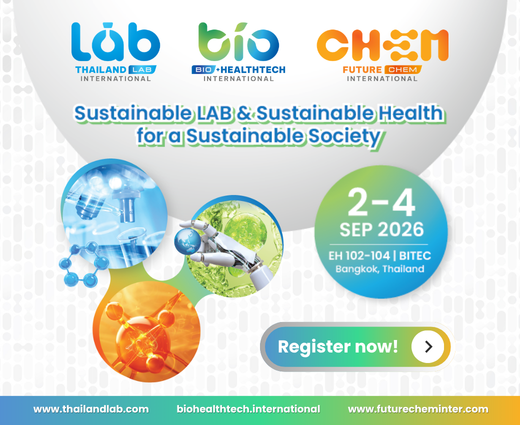
Thailand LAB INTERNATIONAL
The leading laboratory exhibitions in Asia, co-located with Future CHEM INTERNATIONAL and Bio Asia Pacific.
-

-

-